Training programmes
Hands-on trainings for surgeons, critical care specialists and rescuers.
Strengthening capacity in trauma and surgery
What we do
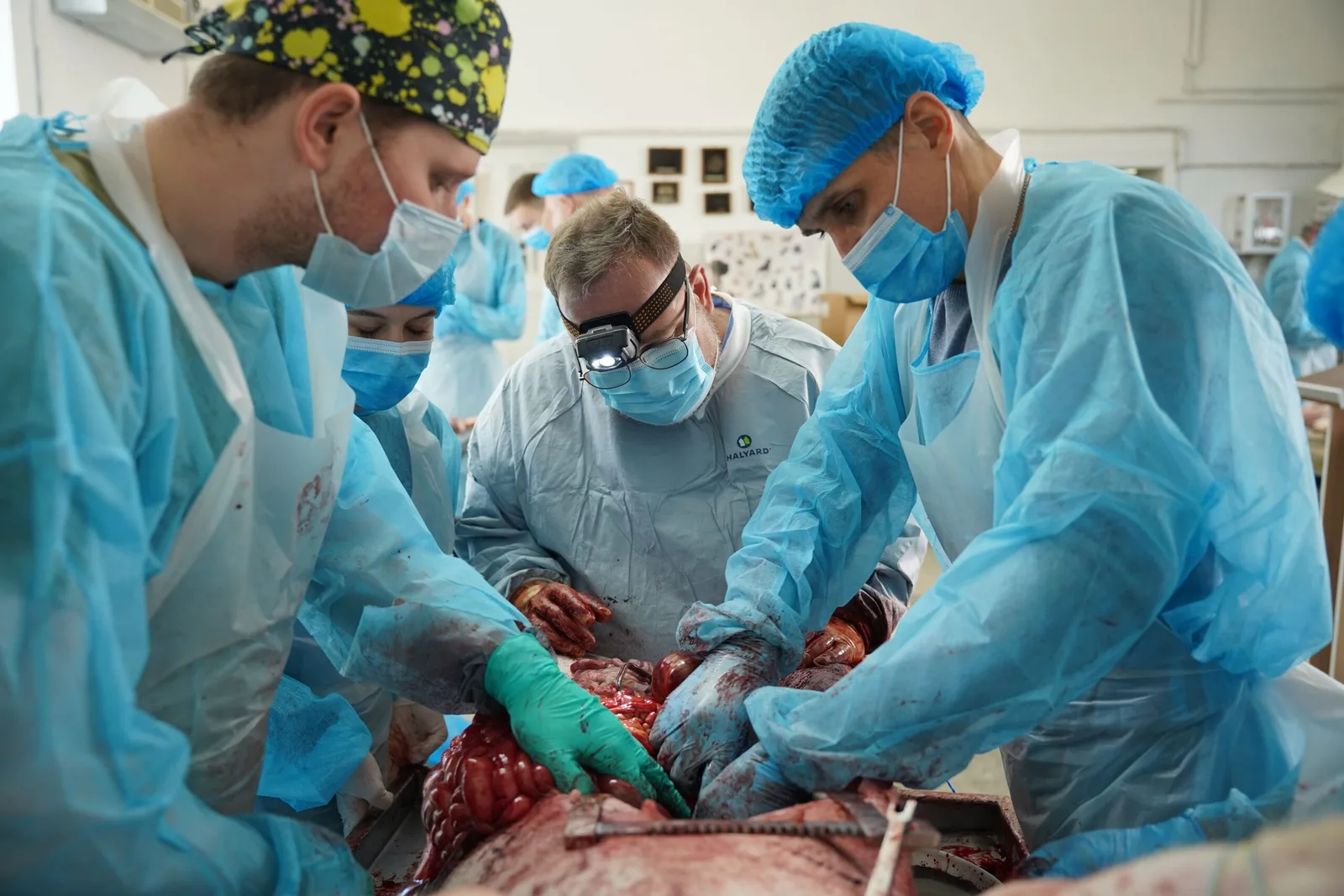
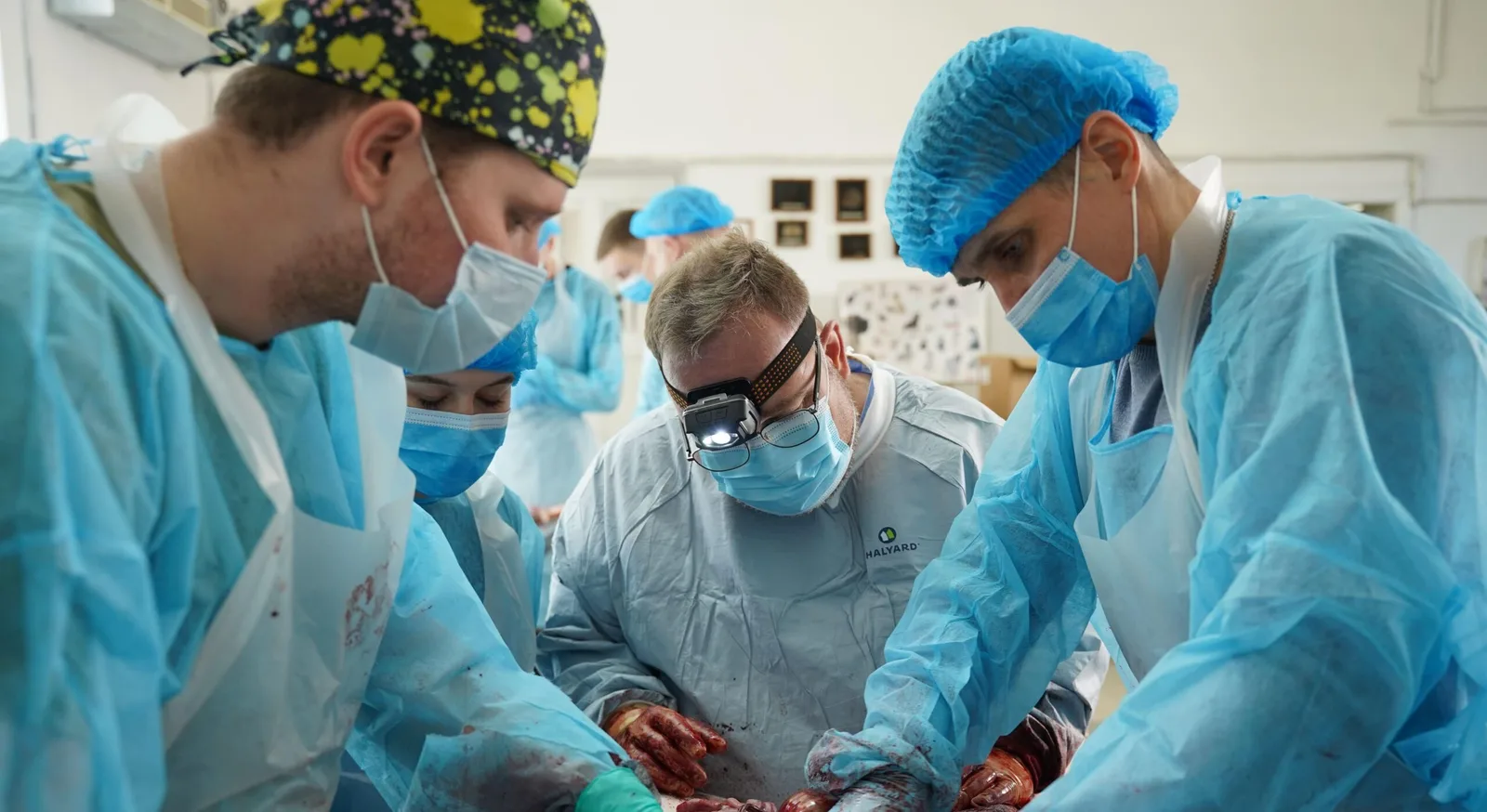
We deliver in-depth hands-on trauma and surgery trainings for Ukrainian surgeons who treat complex war-related injuries.
Key areas:
- Polytrauma and blast injuries
- Mine-blast trauma and amputations
- Vascular reconstruction and haemorrhage control
- Damage control surgery and emergency laparotomy
How it works
Training takes place in small groups and is based on practice using realistic models and scenarios close to real conditions. Particular emphasis is placed on rapid decision-making, teamwork and adaptation in conditions of limited resources and high risk.
Why it matters
This training strengthens the national trauma response system and helps surgeons save lives in wartime.
Training in resuscitation and emergency response
What we do
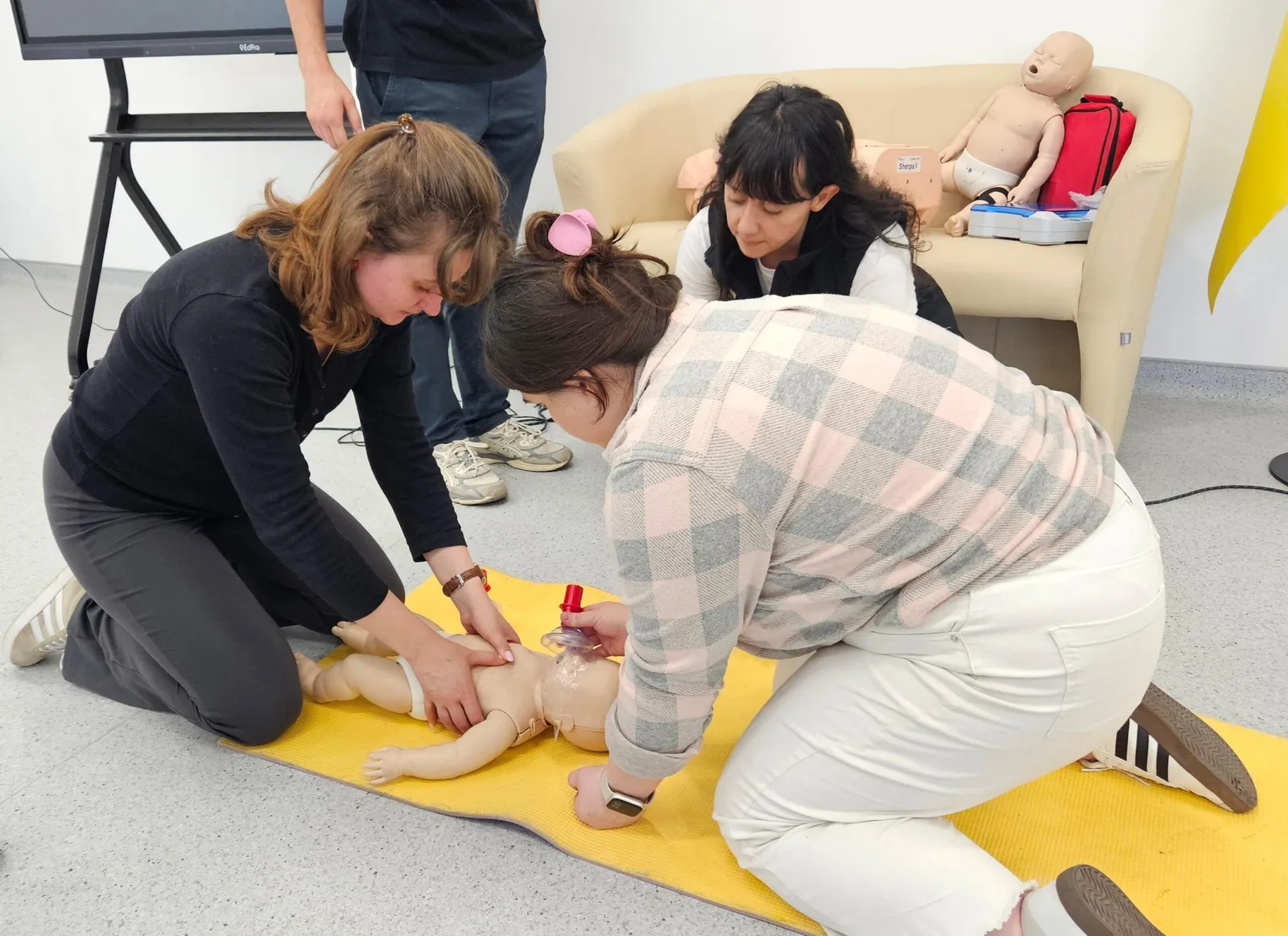
We deliver internationally accredited emergency care and resuscitation trainings for health workers, rescuers and professionals working in communities.
Courses include
- Basic Life Support (BLS)
- Advanced Cardiovascular Life Support (ACLS)
- Paediatric Advanced Life Support (PALS)
- Heartsaver First Aid, CPR and Automated External Defibrillator (AED)
How it works
Highly realistic simulations and team scenarios help participants act with confidence in recognising critical conditions, securing the airway, defibrillation and coordinated emergency response.
Why it matters
When every second counts, trained professionals can act quickly and decisively — in hospitals, ambulances and communities under shelling.
Preparedness for chemical, biological, radiological and nuclear threats
What we do
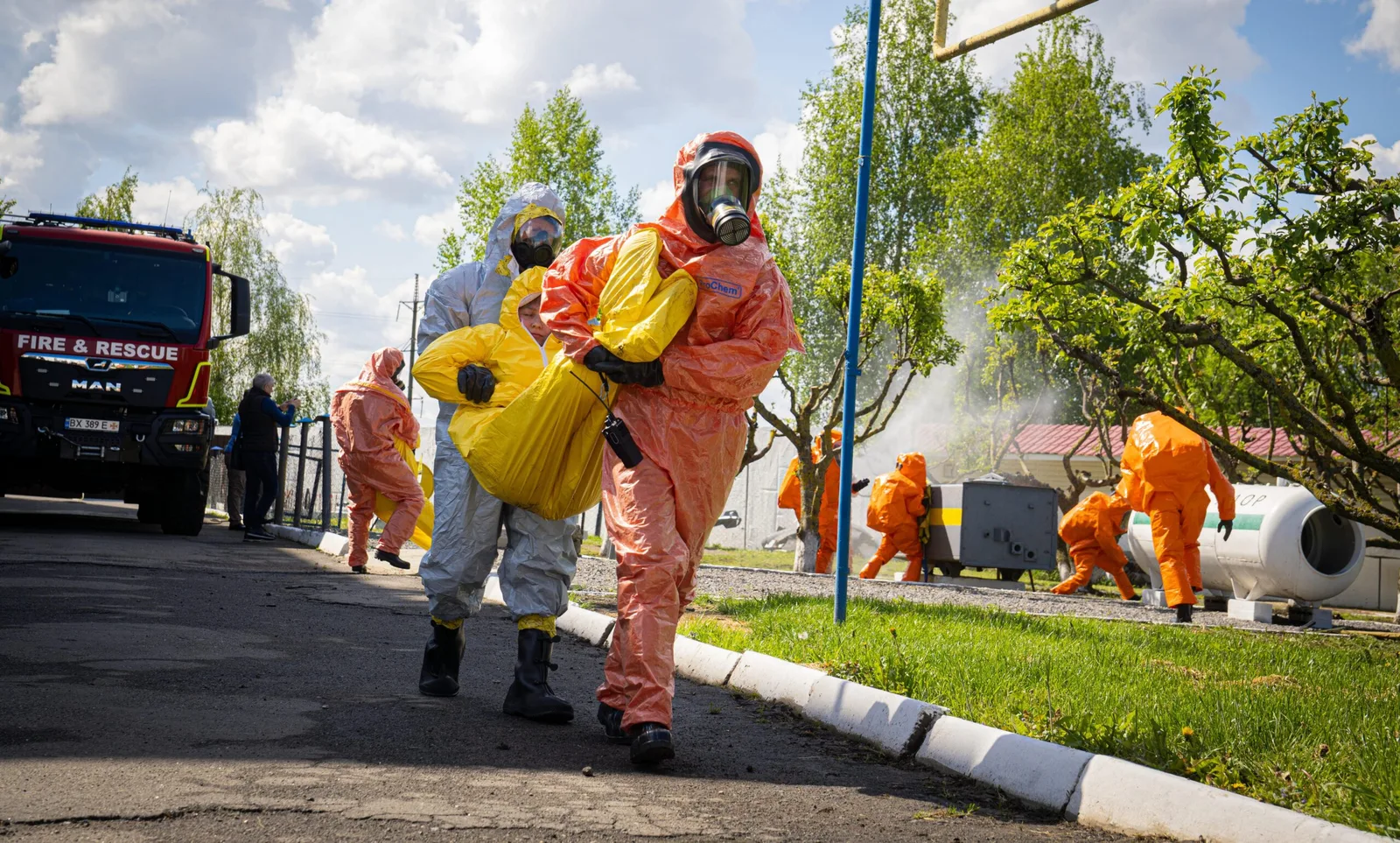
We prepare health workers and rescuers to respond safely to hazardous incidents during active war.
Key areas:
- Threat recognition and scene safety
- Correct use of personal protective equipment (PPE)
- Casualty triage and decontamination
- Coordination between different response services
How it works
A combination of theoretical sessions, practical exercises and realistic simulations ensures readiness to act in real emergencies.
Why it matters
This training protects rescuers, prevents secondary contamination and ensures continuity of medical care during extremely hazardous incidents.