Projects
Research, diagnostics and mobile care for communities.
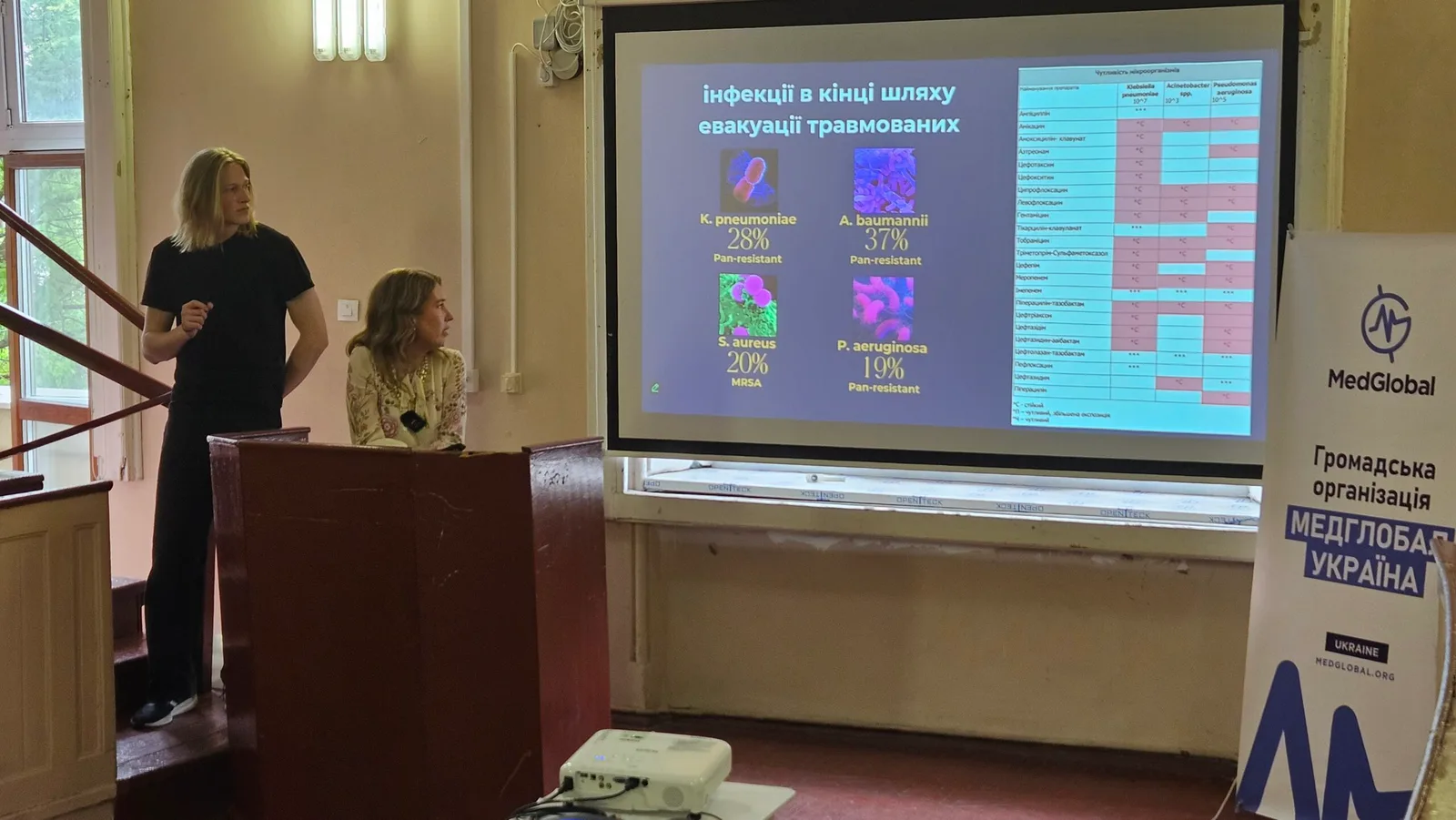
Changing the approach to Role 1–4 medical care in Ukraine to prevent infections caused by multidrug-resistant organisms during large-scale combat operations — Protocol 2: Assessing the efficacy and cytotoxicity of biocides
The project “Changing the approach to Role 1–4 medical care in Ukraine to prevent infections caused by multidrug-resistant organisms – Protocol 2: Assessing the efficacy and cytotoxicity of biocides” aims to reduce the risk of infection in patients with combat injuries. The initiative seeks to identify the most effective and safe antiseptic and biocidal agents for preventing infections caused by multidrug-resistant organisms, and to introduce evidence-based solutions into Ukraine’s military and civilian medicine.
The project is implemented by NGO “MedGlobal Ukraine” with the support of the Canada-Ukraine Foundation under a grant of CAD 75,000. It is led by MedGlobal’s early decontamination consultant Hailie Uren.
Modern warfare has significantly increased the risk of infections caused by multidrug-resistant organisms. According to research, up to 78.6% of patients with combat injuries encounter such infections, which can lead to sepsis, amputations, prolonged hospitalisation and preventable deaths.
As part of the project, laboratory studies are being conducted on the efficacy and safety of antiseptics and biocidal agents in order to identify products that both effectively destroy antibiotic-resistant pathogens and do not damage wound tissue. The results will help improve approaches to infection prevention at all stages of medical evacuation and treatment — from care provided directly at the point of injury (Role 1–2) to specialised care in military and civilian medical facilities (Role 3–4).
The project is implemented in partnership with Ukrainian scientific and medical institutions, including the Public Health Center of the Ministry of Health of Ukraine, the Institute of Molecular Biology and Genetics of the National Academy of Sciences of Ukraine, and Kyiv National University of Technologies and Design. Its results will form the basis for updating national infection prevention guidelines, strengthening biosafety and enhancing the capacity of medical teams to effectively prevent infectious complications and save lives.
Early detection of non-communicable diseases in communities
Although war injuries often dominate the news, chronic diseases frequently remain undiagnosed and untreated.
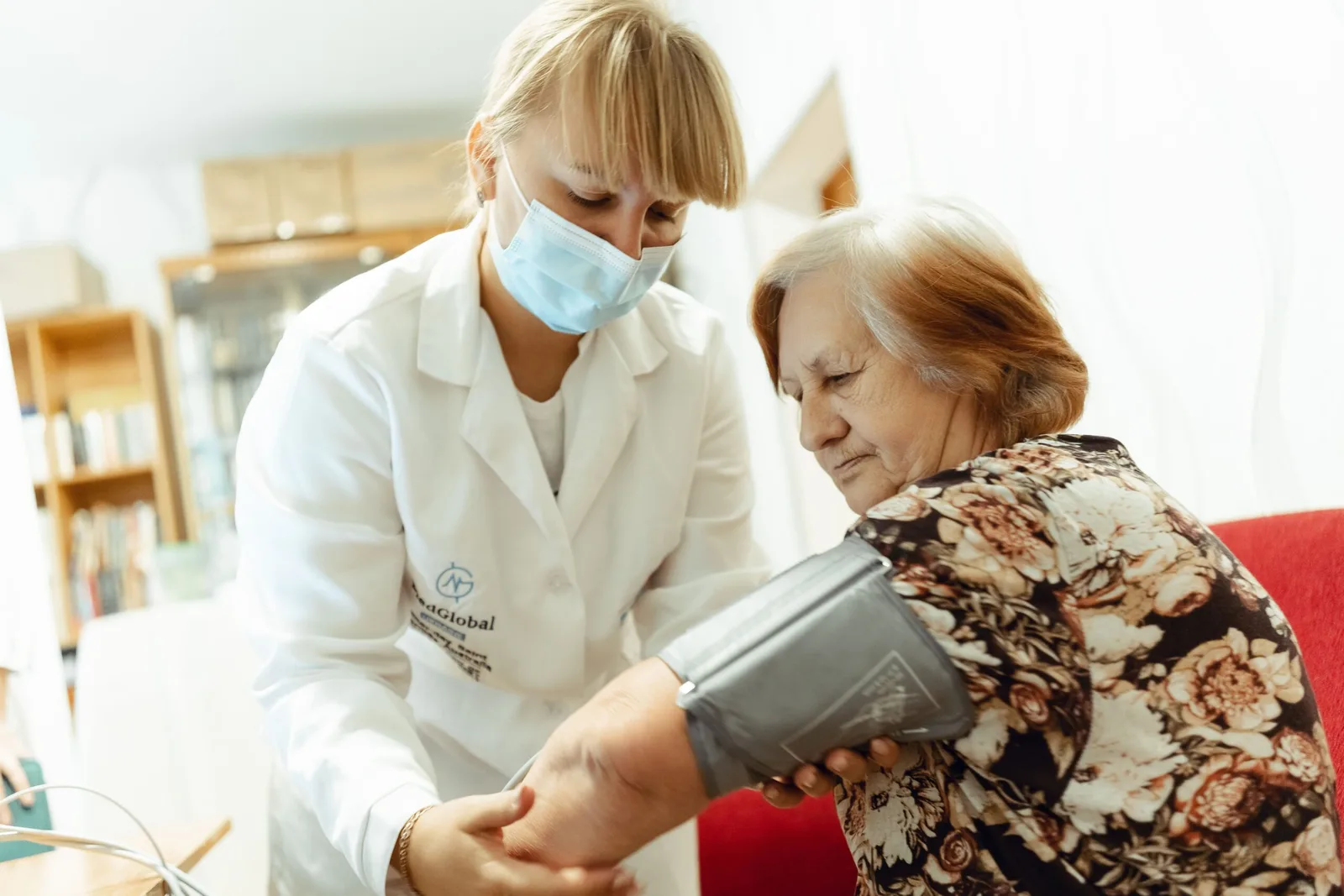
In de-occupied communities of Kyiv Oblast, MedGlobal worked to address this hidden problem by providing its partner, the Likarska Dynastiia medical centre, with medical equipment that enabled six fully staffed mobile medical teams to deliver screening and early detection services for non-communicable diseases directly in communities.
Through outreach preventive care and the use of telemetric diagnostic systems, the mobile teams detected cardiovascular disease, diabetes and other non-communicable diseases at an early stage — before complications became life-threatening. The results of this work became part of the national dialogue and contributed to the launch of a nationwide health screening programme for the adult population in Ukraine.
This project was implemented with the assistance of The Church of Jesus Christ of Latter-day Saints and approved and funded by the charitable organisation The Church of Jesus Christ of Latter-day Saints.
Faster diagnostics in the most challenging conditions
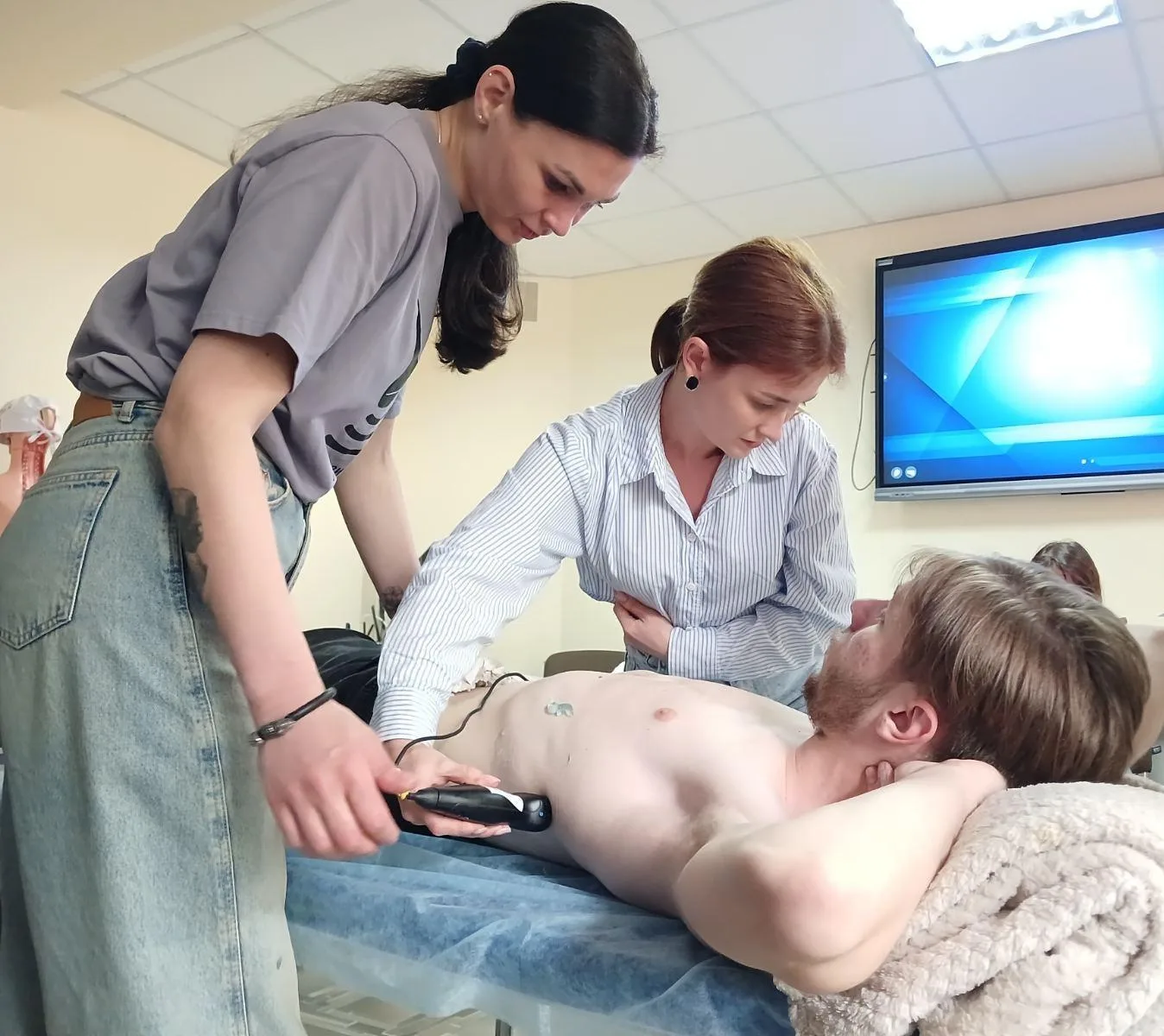
In areas where advanced medical imaging is often unavailable because of the war, rapid diagnosis can mean the difference between life and death. In partnership with WHO in Ukraine and national academic institutions, MedGlobal expanded training in Point-of-Care Ultrasound for doctors working near the front line.
During hands-on sessions on trauma and critical care protocols, doctors learned to identify internal bleeding, shock and respiratory failure in real time. Portable ultrasound devices now help make faster and more accurate clinical decisions in emergency departments, ambulances and field hospitals in frontline regions.
Helping war-affected communities
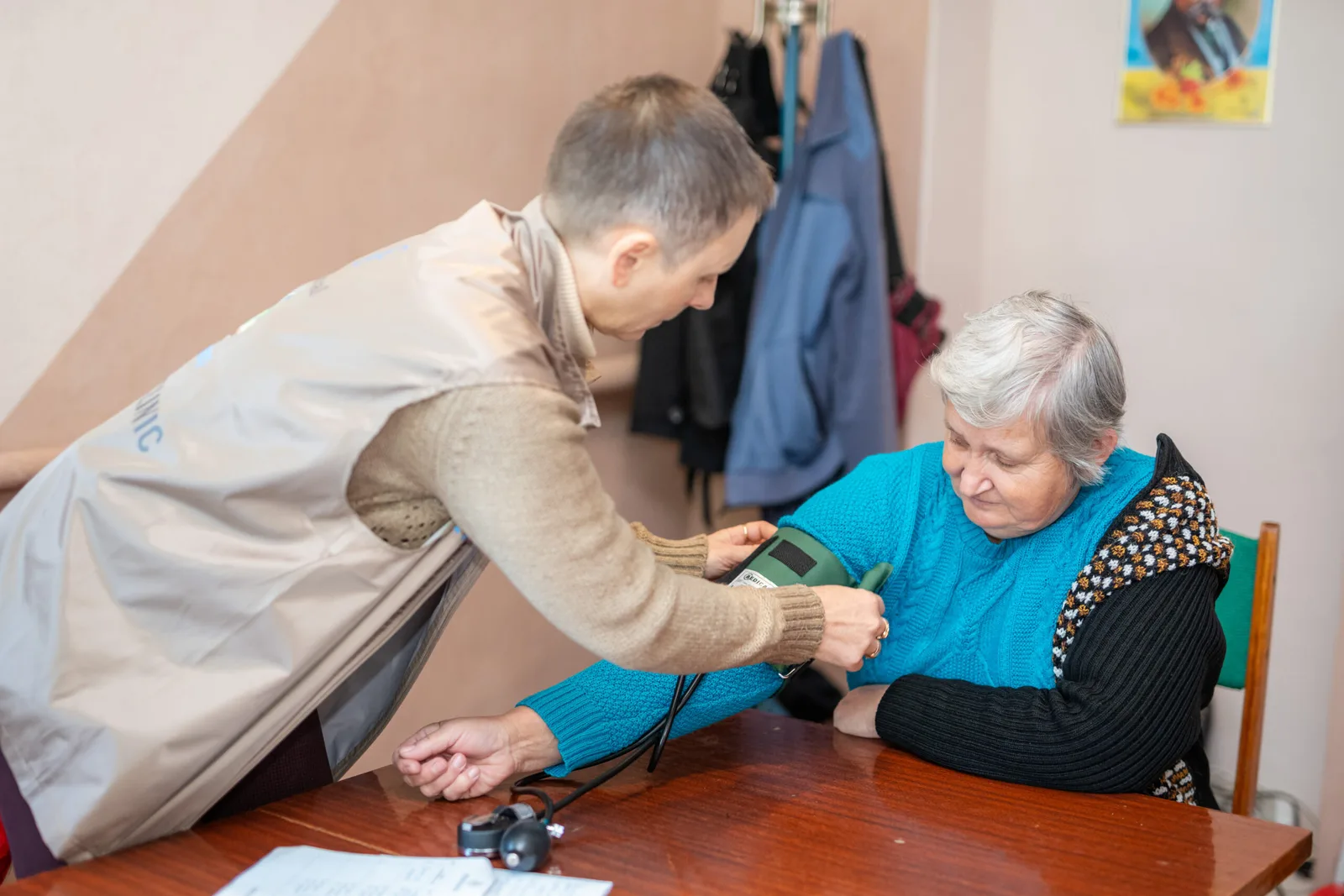
For many civilians in rural or heavily affected areas, access to medical care remains limited or non-existent. MedGlobal’s mobile medical clinics help bridge this gap by bringing multidisciplinary care directly to people.
Mobile teams provide medical care, psychological support and social services to internally displaced persons, older people and people with disabilities. Beyond treating illness, these visits restore trust, continuity of care and a sense of dignity — things that the war has repeatedly tried to take away.